Volume & Issue: Volume 13, Issue 5, September and October 2025, Pages 487-654 
Number of Articles: 9

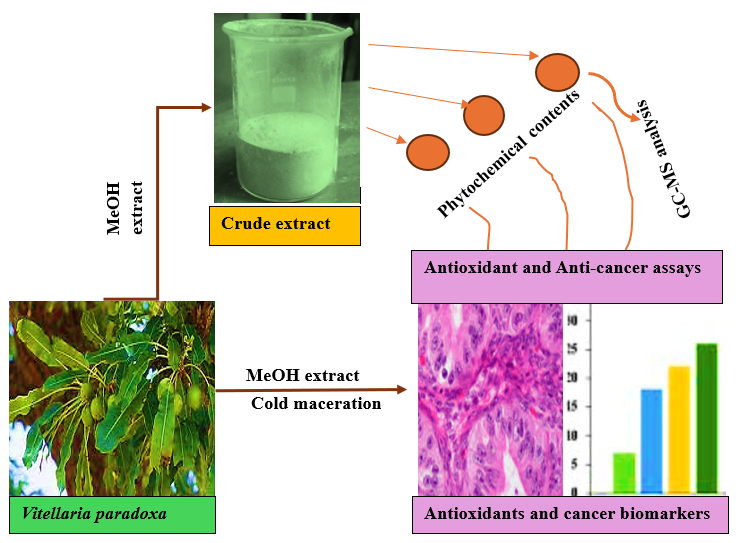
Phytochemical Analysis and Evaluation of Anticancer and Antioxidant Activities of Vitellaria Paradoxa Gaertn (Sapotaceae) Methanol Stembark Extract

Pages 487-499

https://doi.org/10.48309/ijabbr.2025.2054456.1579

Cletus Anes Ukwubile, Muhammad Zannah Lawan, Faiza Abolanle Lawal

Abstract Vitellaria paradoxa (shea tree) is widely used in traditional medicine in Nigeria for its antioxidant, anticancer, anti-inflammatory, and antimicrobial properties. However, limited studies have investigated its phytochemical composition and biological activity against breast cancer. This study evaluated the phytochemical profile, antioxidant activity, and anticancer potential of V. paradoxa methanol stem-bark extract on MCF-7 breast cancer cells. Phytochemical screening revealed the presence of flavonoids, alkaloids, saponins, and phenolics. The total phenolic and flavonoid contents were 342.7 mg GAE/g and 87.96 mg RE/g, respectively. Antioxidant activity, assessed using DPPH and hydrogen peroxide scavenging assays, demonstrated strong free radical inhibition, with an IC50 of 18.72 µg/mL for DPPH and 21.65 µg/mL for hydrogen peroxide, comparable to Vitamin C. The MTT cytotoxicity assay showed that the extract exhibited dose-dependent cytotoxic effects on MCF-7 cells, with an IC50 of 22.14 µg/mL, suggesting significant anticancer potential. GC-MS analysis identified key bioactive compounds, including Vitamin E, β-sitosterol, quercetin, and betulinic acid, which are known for their antioxidant and anticancer properties. These findings suggest that V. paradoxa stem-bark extract possesses potent antioxidant and anticancer activity, supporting its potential application in cancer therapy. Further in vivo studies and formulation optimization are recommended to validate its therapeutic efficacy.
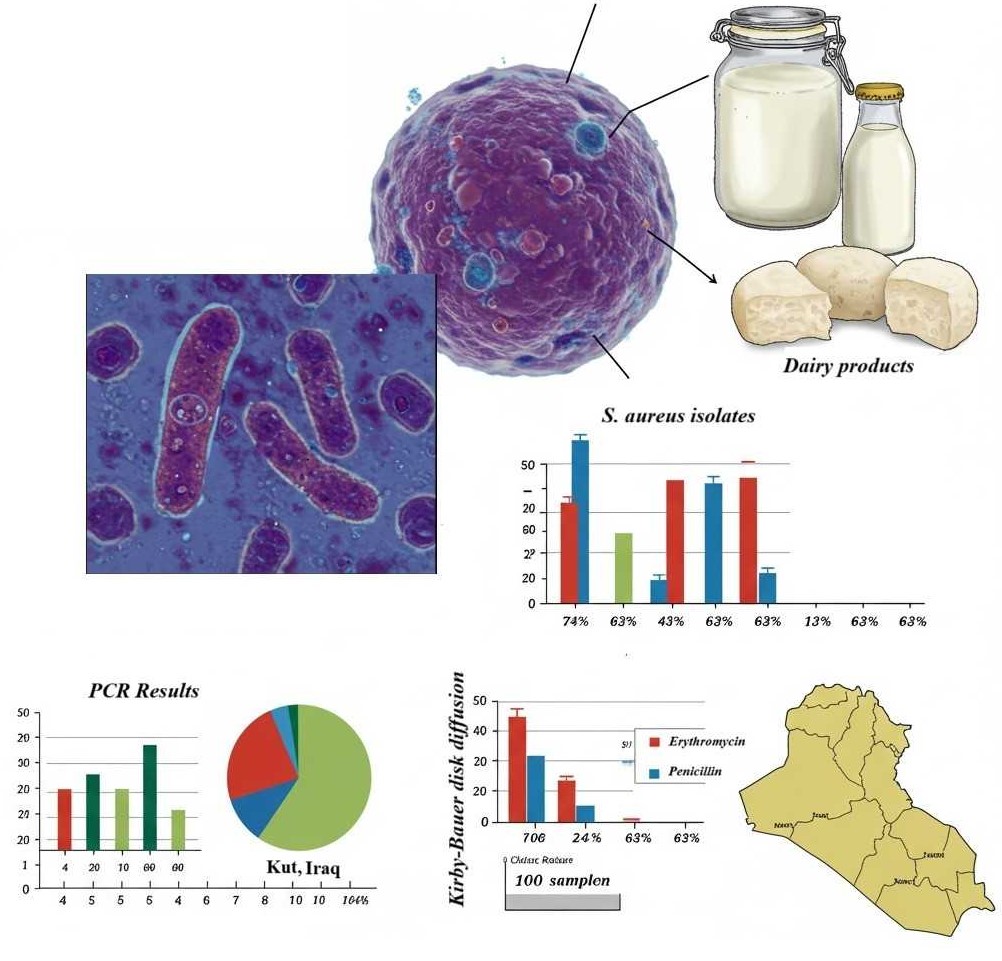
Isolation and Identification of Virulence and Antimicrobial Resistance Genes in 𝑆𝑡𝑎𝑝ℎ𝑦𝑙𝑜𝑐𝑜𝑐𝑐𝑢𝑠 𝐴𝑢𝑟𝑒𝑢𝑠 Isolated from Traditional Dairy Products in Kut, Iraq

Pages 500-511

https://doi.org/10.48309/ijabbr.2025.2054828.1581

Zaynab Abdulnabi Rashid, Mostafa Nemati, Fazel Pourahmad

Abstract Staphylococcus aureus is a major pathogen associated with significant public health risks due to its virulence factors and antibiotic resistance. This study investigates the virulence prevalence and antimicrobial resistance genes in S. aureus isolated from traditional dairy products in Kut, Iraq, a region with limited data on such contamination. A total of 100 dairy product samples (buffalo cream, buffalo milk, cow milk, and sheep milk cheese) were collected and analyzed. S. aureus isolates were identified using biochemical tests and confirmed by PCR targeting the nuc gene. The presence of blaZ, clfA, pvl, and mecA genes was evaluated, and antibiotic susceptibility was determined using the disk diffusion method. Out of 100 samples, 31 bacterial isolates were recovered, with 27 confirmed as S. aureus through nuc gene amplification. Among the total dairy samples, S. aureus was detected in 12 out of 36 cow milk samples (33.3%), 6 out of 16 buffalo cream samples (37.5%), 6 out of 31 sheep milk cheese samples (19.4%), and 3 out of 17 buffalo milk samples (17.6%). Genetic analysis revealed that 10 isolates (37%) carried the mecA gene, 7 (25.9%) harbored blaZ, and 4 (14.8%) were positive for clfA. None of the isolates tested positive for the pvl gene. Antibiotic resistance profiling indicated high resistance rates to erythromycin (74%) and penicillin (63%), while no resistance was observed to vancomycin. This study highlights the alarming prevalence of multidrug-resistant S. aureus in dairy products, particularly the high rates of mecA and blaZ genes, which pose significant public health risks. The findings underscore the urgent need for improved hygiene practices, antibiotic stewardship, and continuous monitoring of resistance patterns in dairy production to ensure food safety and protect public health.

A Food-Based Intervention to Meet SDG 2; Consumer Education Influence on Willingness to Purchase a Nutritionally Improved Staple Food in Ibadan-Nigeria

Pages 512-533

https://doi.org/10.48309/ijabbr.2025.2053125.1574

Leticia Amoakoah Twum, Fidelis CK Ocloo, Isaac K Asare, Bernard T Odai, Joshua Neiderman, Sofela Sofolabi, Andrew Agyei-Holmes, Bernard Darfour

Abstract Background: The UN Sustainable Development Goal (SDG) 2 seeks to reduce all forms of hunger by 2030. The feasibility of this goal relies on factors such as food availability, consumer nutrition awareness, and purchasing power. Through innovative food technologies, new food products have been developed to meet household nutritional needs. However, household socioeconomic characteristics, food product awareness, and perception are critical to food choices. Consumer socioeconomic characteristics influence healthy eating and willingness to purchase foods. But, which socioeconomic characteristics and level of product data influence consumer willingness to pay for a product or are there other contributing factors? This project was part of a successful food product development research where an existing food product was nutritionally improved. A consumer acceptance and willingness to pay survey was undertaken in Nigeria to make a policy recommendation. This study determined the influence of product data on the willingness of consumers in Nigeria to pay for a nutritionally improved cassava product. Materials and methods: Snowballing and convenient sampling methods were used to obtain participants’ willingness to pay for proGARI (micronutrient fortified and soybean blended gari). One thousand five hundred (1500) people from four local governments in Ibadan-Nigeria participated in the study. Regression analyses were performed to establish a predictive relationship between participants’ socioeconomic characteristics and their willingness to pay for proGARI. Results: The results indicated that consumer education was essential. However, the price of proGARI was significant in determining participants'’ willingness to pay for the product. proGARI could help meet SDG 2, nonetheless, particular importance should be placed on the price and consumer education. Conclusion: The participants highly accepted proGARI and were willing to purchase at higher prices.

Design and Fabrication of a Robotic Upper Limb Exoskeleton to Assist Patients

Pages 534-542

https://doi.org/10.48309/ijabbr.2025.2053642.1575

Mohammad Gohari, Ramin Lotfi, Mohsen Nadjafi

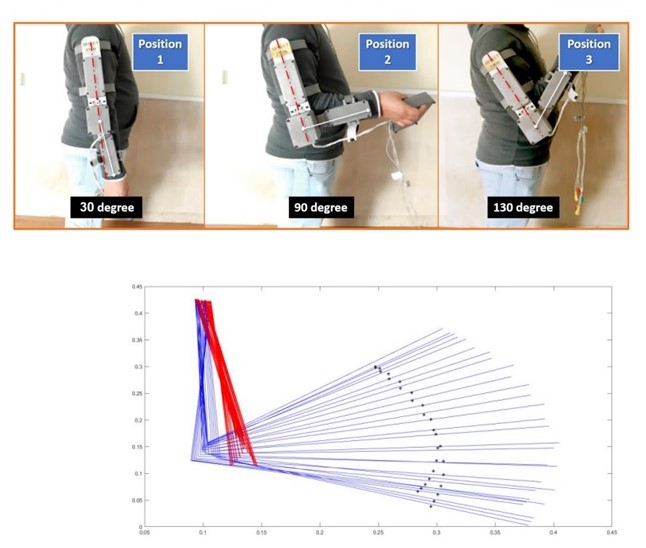
Abstract This research presents the development and evaluation of a robotic exoskeleton designed to assist individuals with muscle weakness or physical disabilities in performing lower arm movements. The exoskeleton is controlled by electromyography (EMG) signals captured from the tricep and bicep muscles, allowing it to amplify the patient's arm motion. The system's design includes a mechanical structure powered by servo motors at the elbow joint, a signal acquisition module, and a closed-loop controller. The EMG signals are processed to generate movement commands, enabling smooth and controlled elbow flexion and extension. The exoskeleton's performance was tested on a subject, with results indicating effective torque generation and smooth motion during arm movements. The system also provided real-time data on position, velocity, acceleration, and applied torque. The action of picking an object and lifting and placing was done during experimental test with human sample to measure efficiency and performance of this exoskeleton via sensors and expert sight in lab evaluations. This research demonstrates the potential for exoskeletons to enhance rehabilitation and assist individuals with disabilities in performing daily tasks, contributing to improved quality of life.

Drosophila melanogaster and its Genetic Tools as a Model in the Neurological Disorder Research

Pages 543-572

https://doi.org/10.48309/ijabbr.2025.2055346.1582

Mubaraq D Yussuf, Kelechi Sandra Edozie, Chisom Yvonne Eze, Nyerovwo Charity Okei, Daniel Ebubechi Obasi, Ayodele Olatunji Akinrodoye

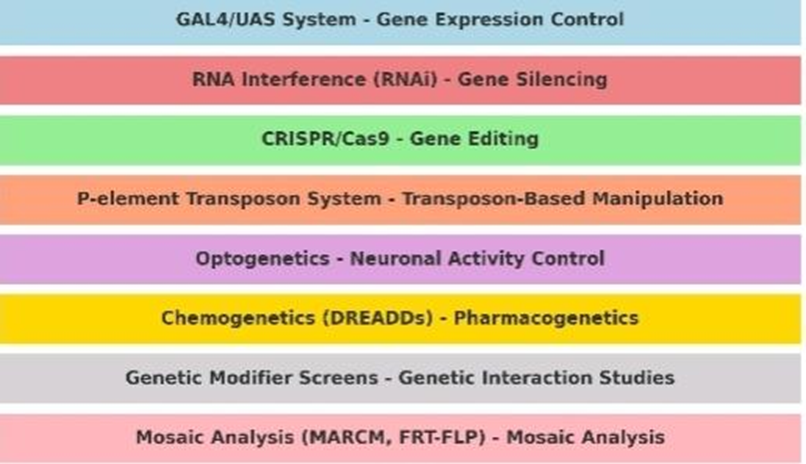
Abstract Fruit flies known scientifically as Drosophila melanogaster provide essential research benefits for understanding human neurological disorders through their human-like genetics and highly developed genetic research capabilities. Scientists use Drosophila as an efficient disease mechanism study because approximately 75% of human disease-related genes possess counterparts in Drosophila. The GAL4/UAS system enables researchers to control which tissues and specific time periods activate gene expression and forward and reverse genetic approaches help identify genes that contribute to neurodegeneration along with their functional assessment. The modifier screen methodology allows scientists to find genes which either increase or reduce disease manifestation. These research tools alongside the well-understanding of Drosophila nervous system and short life span make this organism optimal for simulating diseases including Alzheimer's along with Parkinson's and Huntington's disease and amyotrophic lateral sclerosis (ALS). Through Drosophila research models scientists study how proteins aggregate as well as synaptic breakdown and oxidative damage which are common abnormalities in neurodegenerative disorders. Behavioural tests combined with tissue analysis techniques together with automated drug screening help scientists advance disease research and therapeutic discovery. The structural dissimilarities between flying insects and humans fail to diminish Drosophila's usefulness for studying neurological processes in human disease investigations. The review presented insights about genetic research and laboratory applications of D. melanogaster to study neurological diseases and develop intervention strategies.

The Role of Hormones in the Onset and Progression of Endocrine and Gynaecological Cancers

Pages 573-603

https://doi.org/10.48309/ijabbr.2025.2056347.1585

Mubaraq D Yussuf, Ikechukwu Emmanuel Umeh, Habib Olaniran Kolawole, Ayobami Abdul Razak Adisa, Abdullah Aderemi Ashimi, Michael Abimbola Oladosu, Daniel Obasi Ebubechi, Mololuwa Kehinde Olumide, Ayodele Blessing Ayo-ige

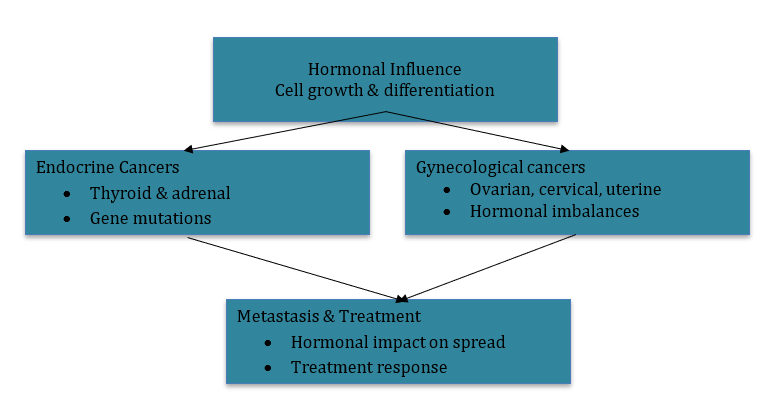
Abstract The disease progression and pathogenesis of endocrine and gynaecological cancers rely heavily on hormonal mechanisms that control cell growth while determining differentiation and metabolic functions. Scientific research has proven extensive studies of hormonal signalling in cancer development by describing the effects of estrogen and progesterone hormones alongside androgens and other endocrine substances on cellular growth and genome instability. Endocrine cancers including thyroid and adrenal cancers, show uncontrolled cell development because feedback regulators and gene mutations cause dysregulation. The hormonal imbalances resulting from early menarche alongside late menopause and hormonal replacement therapy emerge as primary drivers of tumorigenesis in gynaecological cancers including ovarian cancer, cervical cancer, and uterine cancer. New findings demonstrate that signals transmitted via hormones impact cancer cell metastasis while influencing treatment response inside cancer cell habitats. New therapies using anti-oestrogen medication and androgen-deprivation treatments show strong potential to combat cancer effectively. Regarding hormone-driven carcinogenesis, we face limitations in our understanding of molecular mechanisms and our ability to optimize hormone-based therapeutic approaches. This review investigates the complex contributions of hormones to both endocrine and gynaecological cancers while presenting their clinical value for developing future innovative therapeutic approaches. However, current hormone-based therapies present limitations such as resistance and non-specific targeting. Future research should focus on novel biomarkers and personalized treatment approaches.

Simulating the Mechanical Properties of the Hip Joint, a Method for Developing New Materials in Human Prostheses

Pages 604-615

https://doi.org/10.48309/ijabbr.2025.2056421.1586

Amirhossein Banihashemi, Baran Emamgholivand, Shahram Mahboubizadeh, Omid Ashkani

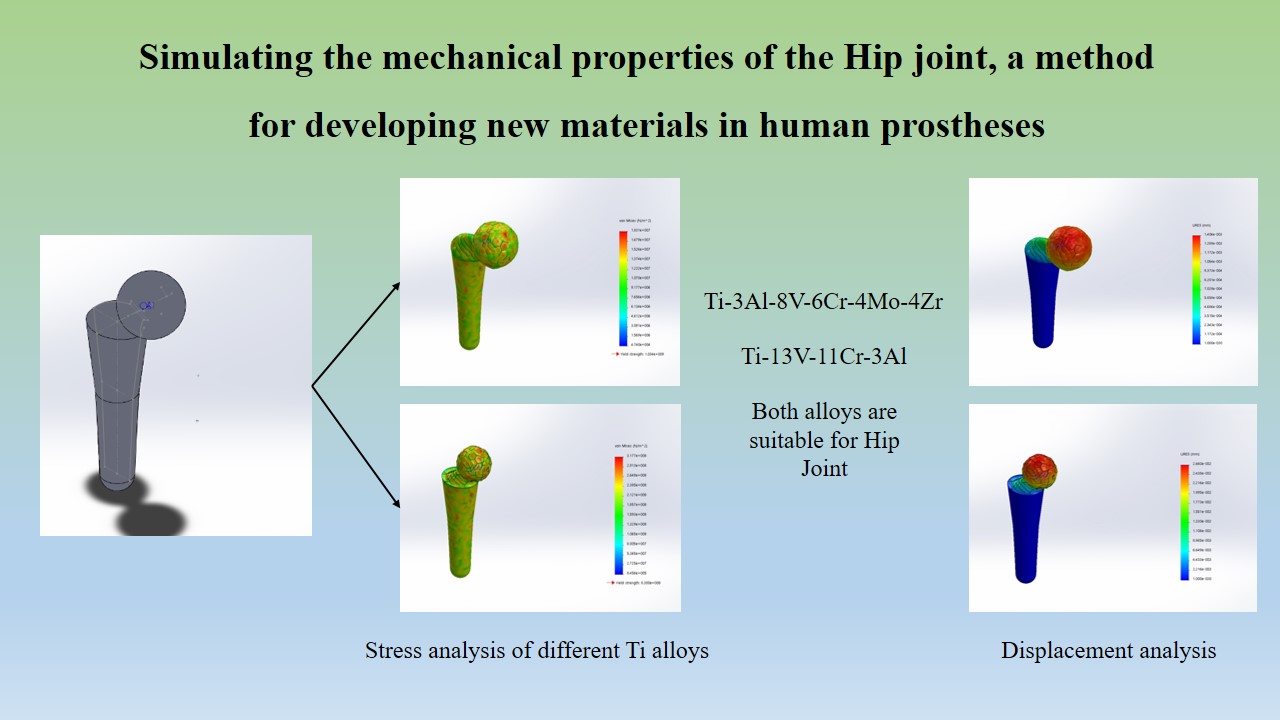
Abstract The hip joint is a crucial ball-and-socket joint that consists of the femoral head as the "ball" and the acetabulum as the "socket". It is supported by ligaments that help maintain stability and is vital for activities like walking, running, and sitting. Treatment usually starts with non-surgical methods, but if these fail, surgical options like total hip arthroplasty (THA) may be required. The 20th century saw advances in metals like stainless steel, cobalt-chromium alloys, and titanium, which enhanced implant performance. This research evaluates the performance of titanium alloys, stainless steel, and gold in hip implants. Titanium alloys were chosen for their strength and biocompatibility, while stainless steel was included for its strength. Gold, despite its lower strength, is noted for its biocompatibility. The study utilized specific design software to analyze metal alloys for their mechanical properties. Challenges in assessing larger-scale properties were addressed using the finite element method. Tests were conducted on implant samples to study their reaction to force and Pressure, with results showing the superior performance of one titanium alloy. The development of new titanium alloys is very important.

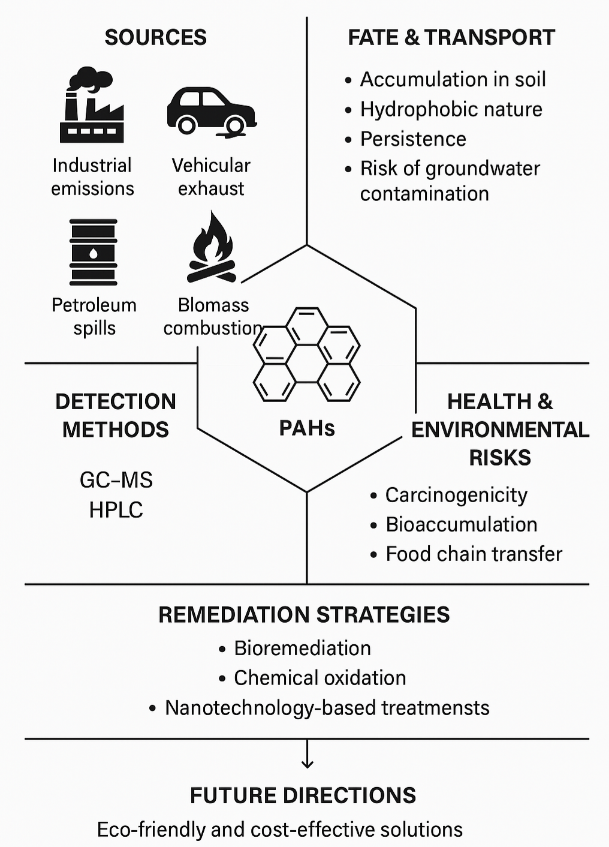
Polycyclic Aromatic Hydrocarbons (PAHs) in Soil: Sources, Analytical Techniques, Environmental Impact, and Remediation Strategies

Pages 616-640

https://doi.org/10.48309/ijabbr.2025.2056812.1587

Mubaraq Damilare Yussuf, Ummuhani Titilayo Abdulazeez, Benedict Onochie Ibe, Timothy Kwame Asem, Azeezat Temitope Salaudeen, Timothy Ebuka Eberechukwu, Sefiu Damilare Adewale, Clinton Arthur, Kolade Oluwaseun Oke

Abstract Polycyclic aromatic hydrocarbons (PAHs) are persistent organic pollutants that pose significant environmental and health risks due to their toxicity, carcinogenicity, and bio-accumulation potential. These contaminants originate from both natural and anthropogenic sources, including industrial emissions, vehicular exhaust, petroleum spills, and biomass combustion. Once released into the environment, PAHs accumulate in soils, where their behavior is influenced by soil properties, organic matter content, and microbial activity. Their strong hydrophobic nature leads to prolonged persistence, increasing the risk of groundwater contamination and food chain transfer. This study explores the sources, fate, and transport mechanisms of PAHs in soil, along with analytical techniques for their detection, including gas chromatography-mass spectrometry (GC-MS) and high-performance liquid chromatography (HPLC). The study also discusses regulatory guidelines, health risks, and various remediation strategies such as bioremediation, chemical oxidation, and nanotechnology-based treatments. Advanced monitoring and sustainable remediation approaches are essential for minimizing PAH contamination and ensuring soil quality preservation. Future research should focus on eco-friendly and cost-effective remediation technologies to mitigate PAH pollution in contaminated environments.

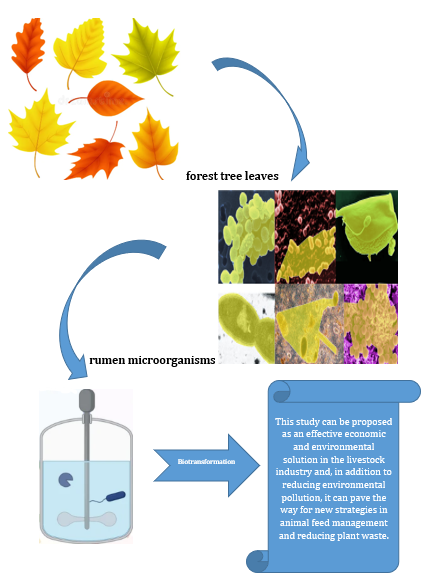
Using Rumen Microorganisms for the Biotransformation of Forest Tree Leaves under Laboratory Conditions

Pages 641-654

https://doi.org/10.48309/ijabbr.2025.2059706.1599

Monireh Azhank, Hossein Abdi-Benemar, Jamal Seifdavati, Reza SeyedSharifi, Afsaneh Talebniya

Abstract Background: The anaerobic fermentation process of plant wastes, similar to what occurs in the rumen of livestock, can increase the digestion rate of lignocellulosic materials and improve digestion efficiency. The present study aimed to investigate the chemical composition of forest tree leaves and evaluate the effect bioconversion using rumen microorganisms on their nutritional value in vitro.
Methods: To evaluate the biotransformation process using rumen microorganisms, leaves of trees such as plane, oak, poplar, elm, nightshade, walnut, beech, and white willow were collected and dried from the city. Afterwards, sheep rumen contents were collected from the slaughterhouse and after measuring the pH, they were used to ferment leaf waste. The different treatments of tree leaf waste and rumen fluid were incubated in various ratios (2:1, 3:1, 4:1, 5:1, and 6:1 rumen fluid to leaves) in a Daisy II incubator for 24 hours at 39-40 °C. Subsequently, the digestion rate of leaf waste was evaluated by measuring the dry mass reduction. To determine the nutritional value of the smaples, the gas test method was used to measure the volume of gas produced and determine the metabolic energy of the studied samples.
Results: Treatment 5 showed the highest rate of DM disappearance (35.26%), and the highest values of CP and essential oil were observed in the solid phase obtained from fermentations 2 and 4, 11.68 and 5.8%, respectively. Likewise, phenolic compounds in the treatments processed with rumen fluid had a significant decrease, especially in treatment 5, which showed the lowest amount of total phenols. The enzyme activity results indicated that treatment 5 with a ratio of 6:1 (rumen fluid to leaves) had the highest tannase enzyme activity. Additionally, this treatment showed the lowest gas production during the incubation process. The highest values for various indicators of gas production processes in the solids obtained from incubation were observed in the first treatment with a ratio of 2:1 (rumen liquid to leaves).
Conclusion: This study can be proposed as an effective economic and environmental solution in the livestock industry. By reducing environmental pollution, it can pave the way for new strategies in animal feed and minimizing plant waste.